
Build an approval‑ready credit profile
Understand what’s driving your credit decisions, identify items that may be unfair or inaccurate, and take a structured next step toward stronger approvals and better terms.
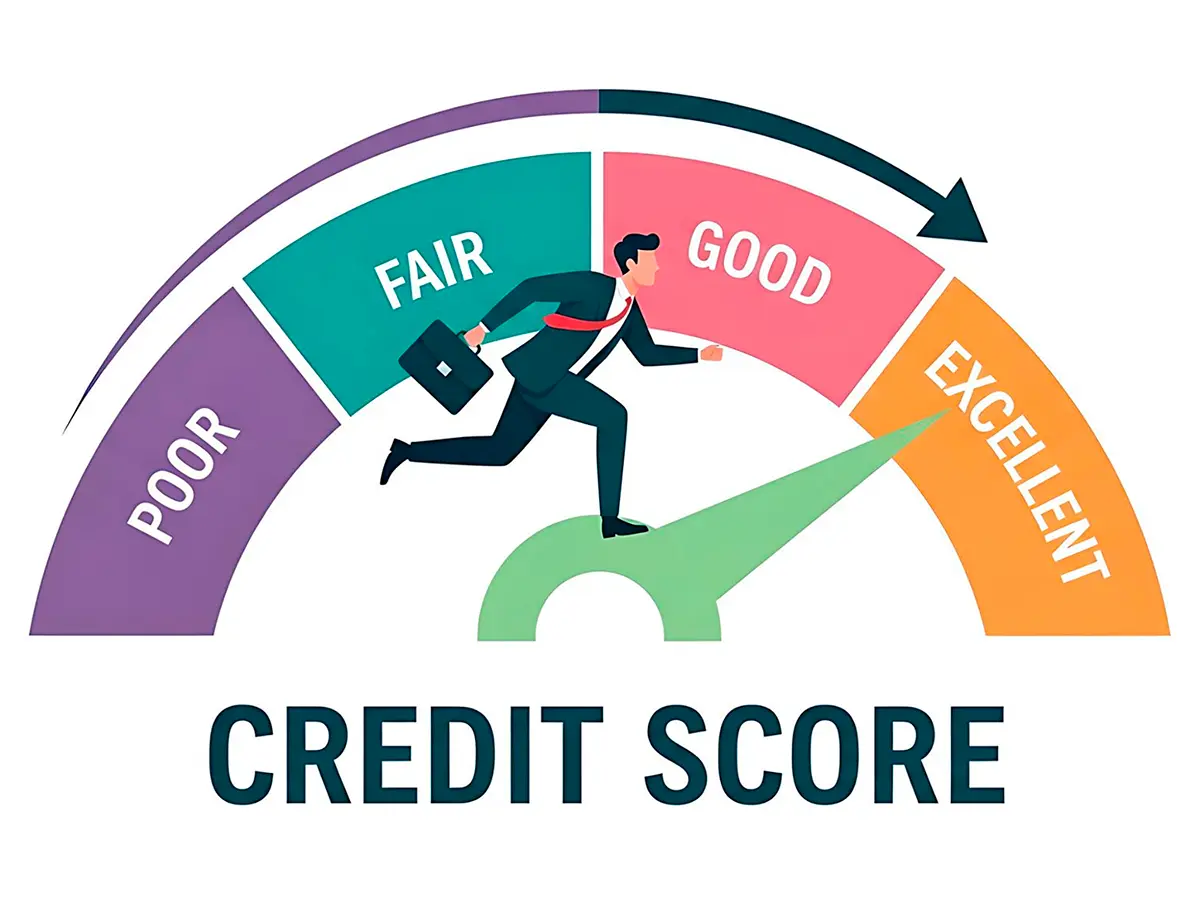
Built around established U.S. credit reporting practices and dispute procedures under the Fair Credit Reporting Act (FCRA). No unrealistic promises—just clarity, documentation, and structured credit improvement.
Unlock more options
Choose the outcome you care about. We’ll outline what improves it—and what to watch for—so you can move forward with confidence.
Your path to stronger credit
A stronger credit profile can mean better approval odds, improved loan terms, and more financial flexibility. Get a clear, no-fluff overview of what credit improvement can help you achieve — then take the next step when you're ready.
Credit decisions in the U.S. are typically influenced by payment history, utilization ratios, account age, recent inquiries, and the accuracy of reporting across major credit bureaus.
Even small inconsistencies can affect lending algorithms. A structured credit improvement approach focuses on verified data, responsible usage patterns, and consistent financial behavior.
*Results vary. This page does not guarantee outcomes.
How it works
A straightforward workflow used by reputable credit‑support programs: review, challenge what’s questionable, and build stronger habits while updates are processed.

Review your starting point
Clarify your goal and look at what’s currently affecting approvals and terms.

Identify what can be challenged
See what information is typically needed, what to expect next, and how the workflow usually looks.

Move forward
Continue to explore available options and take the next step toward better credit outcomes.
best ways to build credit: fast, reliable, and measurable steps
Research on credit scoring converges on a simple idea: build predictable, low-risk patterns the models can verify. Here's a feature-by-feature breakdown with practical moves you can execute and measure.
What actually moves the score
- Payment history (commonly ~35%): Never miss due dates. One 30-day late can linger for years; zeros across the board build trust.
- Utilization (commonly ~30%): Keep reported balances low relative to limits. Under 10% is efficient; under 30% is acceptable for most models.
- Age of accounts (~15%): Older, well-managed lines add stability. Avoid unnecessary closures.
- Mix (~10%): A revolving line (card) plus an installment (loan) can help, though it's secondary to on-time payments.
- Inquiries/new credit (~10%): Apply sparingly and in planned batches; hard pulls and new lines temporarily trim points.
Efficient starter tools
- Secured credit card: Deposit-backed, widely approved. Put a small recurring bill on it and enable autopay in full.
- Credit-builder loan: Funds are locked and released as you pay; builds installment history at low risk.
- Authorized user (AU): Piggyback on a trusted person's seasoned card with low utilization and no late history; not all issuers report AUs equally.
- Rent and utilities reporting: Some services submit verified payments to bureaus; useful if you have thin credit data.
How to use them well
Pay before the statement cuts to control what's reported. If needed, make two payments per month: once after charges post, once before the statement date. Aim for 1 - 9% utilization on at least one card while others report $0. Small but regular activity matters more than sporadic large swipes.
Quick refinement: I said "under 10%." More precisely, 0% across all cards can slightly blunt scoring because it suggests inactivity, so let one account report a token balance while you still pay in full.
Never carry a balance "for credit." Interest paid does not boost your score; on-time reporting does. Autopay in full is the cleanest signal.
Proof checkpoints
- Monitor: Pull free annual reports and use a source that shows FICO if your goal is lending; VantageScores can trend similarly but differ in points.
- Timeline: Thin files often see first meaningful gains in 3 - 6 months of perfect data; 12 months cements a track record.
- Error control: Dispute identity mix-ups, duplicate collections, or misreported limits. A corrected limit can instantly improve utilization math.
Cost - risk math
Prefer no-annual-fee cards early. Keep secured deposits modest. If a fee exists, compute cost per expected month of use and plan an upgrade path. Avoid products that upsell "credit boosts" for high fees when free habits produce the same signal.
Advanced once stable
- Graduate and grow: After 6 - 12 on-time months, ask to graduate a secured card and seek soft-pull limit increases.
- 0% intro planning: For a planned purchase you can repay within the promo, a 0% APR card manages cash flow without harming utilization if you pre-pay before statements.
- Refinance: Lowering installment rates doesn't raise scores directly, but it cuts interest and reduces risk of late payments - a second-order win.
Field note: On a Tuesday in March, I set a $12 streaming charge to a new secured card, paid it two weeks early, and watched the first statement report 5% utilization. The next month's report confirmed the pattern - no drama, just steady proof.
Can I improve my credit score? - 1. Pay your bills on time. - 2. Keep your balances and overall credit card debt low. - 3. Be cautious about new ...
A strong credit score is a key that can unlock opportunities, like lower interest rates and better borrowing terms. It's a three-digit ...
Here are some tips: Build credit history that benefits you: Open store charge card or credit cards to build credit. Pay your balance in full each month or keep ...
Frequently asked questions
A clear next step — without the guesswork
See what’s impacting approvals and what may deserve a closer look.
Understand how disputes are structured and what documentation matters.
Improve utilization, consistency, and long-term credit stability.
See what improving your credit could change
Take a structured next step based on your current profile — and decide with clarity.